AI Automation for Agricultural Businesses That Keeps the Paddock and the Paperwork in Sync
A farm loses time in the gaps between the paddock and the office. Spray diaries ride in the ute, input orders happen by phone, the harvest roster gets rebuilt each season, and settlements are checked docket by docket. We connect those records so the work in the field becomes audit-ready evidence without another night at the kitchen table.

The Paperwork Behind the Paddock Costs More Than It Looks
The work is not hard because any one record is complicated. It is hard because compliance, inputs, labour, machinery and sales each demand the right detail at the right moment across a long, scattered season.

Compliance Records Live in the Shed
Spray diaries, chemical rates, NLIS movements and treatment records sit in a ute notebook, a wall calendar and three phones. LPA, Freshcare or organic audit week becomes a reconstruction job.

Input Ordering Is a Phone-Around
Seed, fertiliser, chemical and feed prices move between resellers every week. Orders, delivery dates, batch numbers and rebate claims are tracked from memory and text messages.

The Forecast Changes the Plan but Not the Record
A spray window, planting slot or harvest start shifts with the weather, but the change reaches the contractor, the casual crew and the diary through a scramble of phone calls.

Every Season Rebuilds the Roster
Harvest hands, shearers, spray contractors and casual labour need inductions, rates, availability and pay details assembled by hand, then chased for paperwork before they start.

Sales Scatter Across Dockets and Contracts
Delivery dockets, grades, contract tonnes and buyer settlements arrive on paper and by SMS. Matching what left the farm to what was actually paid is a manual, end-of-month job.
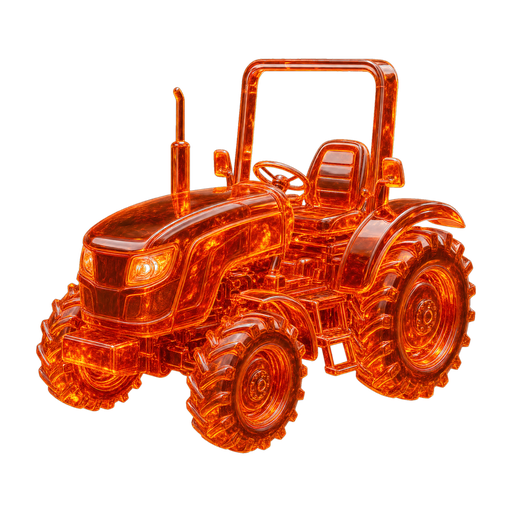
Machinery History Is Invisible Until It Breaks
Service intervals, engine hours, parts and warranty details live across operator manuals and a shoebox of receipts, so a breakdown mid-seeding or mid-harvest costs days nobody planned for.
What Changes When the Repetitive Work Runs Itself
The grower keeps every agronomy, animal health and sale-timing call while routine records, reminders and reconciliation happen the same way on every job.
Keeping spray and treatment records in a shed notebook
Product, rate, paddock, weather and withholding period record against each job as audit-ready evidence
Ringing around resellers for prices and delivery
Orders, quotes, delivery dates, batch numbers and rebate claims collect against each input with gaps flagged
Passing forecast changes on by memory
Weather triggers draft a revised task list and contractor or crew messages for the grower to approve
Rebuilding the harvest roster from scratch each year
Worker details, inductions, rates and availability assemble into a roster and pay-ready record
Matching dockets to buyer settlements by hand
Dockets, grades and contract tonnes reconcile against buyer statements with discrepancies surfaced early
Finding out a service was overdue after a breakdown
Engine hours, service intervals and parts history create maintenance prompts before peak season
Built Around How Your Farm Business Actually Runs
We map compliance and traceability, input ordering, seasonal labour, machinery maintenance, grain and livestock sales and buyer communication before connecting the tools already used on the farm.

Map the Farm's Record Trail
We trace how compliance, inputs, labour, machinery and sales information moves from paddock to office, and where paper, memory and text messages break the chain. Every duplicated entry and missed deadline becomes visible before anything is automated.

Connect the Paddock to the Office
Farm management software, spray and livestock records, supplier ordering, contractor rosters and accounting exchange approved data so the same figures are not retyped between the ute and the desk.

Run the Season by Exception
Routine records, reminders and buyer updates run in the background. The team sees overdue compliance, expiring chemical permits, unmatched settlements and machinery due for service before any of it becomes a problem.
Real work, not demos
See How We Build AI into Real Businesses
The useful question is not whether AI can write an email. It is whether the whole workflow can move from enquiry to completion with fewer manual handoffs and a clear record of what happened.
Explore our case studiesAI Automation for Agricultural Businesses FAQs
Can AI automation work with the systems our agricultural businesses already use?
Usually, yes. We start by checking the APIs, permissions and data quality around farm management platforms such as AgriWebb or Agrimaster, spray and livestock record tools, supplier ordering, contractor rosters, weather feeds, email, SMS and accounting. Where a direct integration is not safe or reliable, we keep the manual approval point instead of forcing a brittle workaround.
What should a farm business automate first?
A sensible first workflow is compliance and input record keeping, because audit-ready evidence and accurate ordering remove risk and cost without touching agronomy or stock decisions. We confirm that choice against actual volume, time, commercial impact, error risk and staff ownership during the audit rather than prescribing the same automation to every business.
How do you protect customer and business data?
Property maps, chemical and treatment records, livestock movements and sale contracts stay inside approved systems with role-based access, consent-aware messaging and human approval for agronomy, animal health and commercial decisions. We document what data is used, where it moves, which systems can retain it and who can approve changes before the workflow goes live.
Will AI make decisions that should stay with our team?
Growers, agronomists and stock managers decide chemistry, animal health, agronomy and when to sell. Automation collects evidence, prepares records, reconciles figures and coordinates approved next steps rather than making a farming decision. Every workflow has explicit approval and escalation rules so an uncertain case stops for review instead of producing a confident but unsafe action.
Find the Work Your Farm Business Should Stop Doing Manually
We will map where compliance records, input ordering, seasonal labour and settlements lose time across your season, then rank the automations by operational value and risk.
- A map of the manual handoffs inside your farm business
- The workflows worth fixing first, ranked by value, risk and effort
- A plain-English implementation plan your team can review before anything changes
Rather Talk It Through First
Tell us how your farm business handles enquiries, scheduling and follow-up. We will show you where automation belongs and where a person should stay in control.